Comfort Colors 1566 Mockup Flow Blue 14 Review
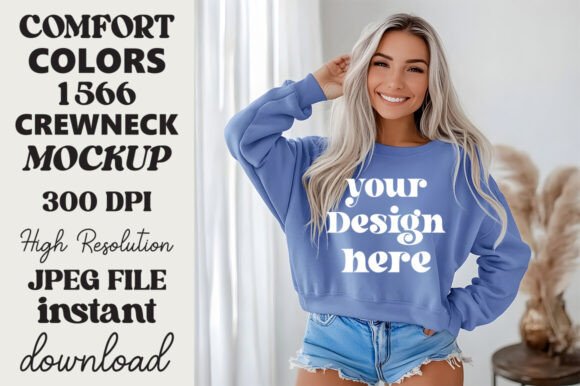
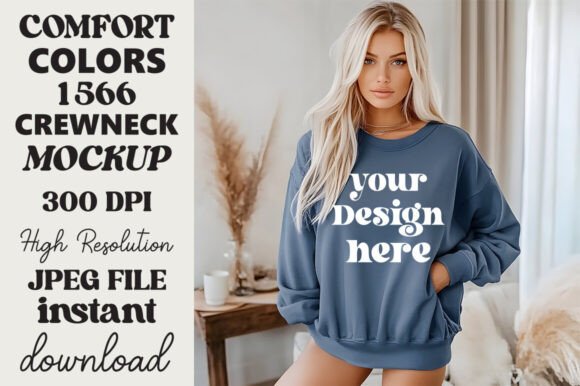
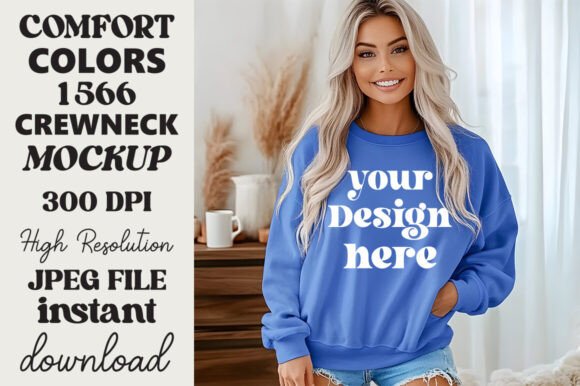
As an experienced embroidery designer and product reviewer, I always look for mockups that feel realistic, versatile, and true to the final product. When I first opened the Comfort Colors 1566 Mockup Flow Blue 14, it immediately struck me as a design that would work well in a variety of real-world projects. The color is soft but distinct enough to show off embroidered details clearly, and the garment shape feels authentic — not just a generic template.
A Natural Fit for Boho-Inspired Sweatshirt Embroidery
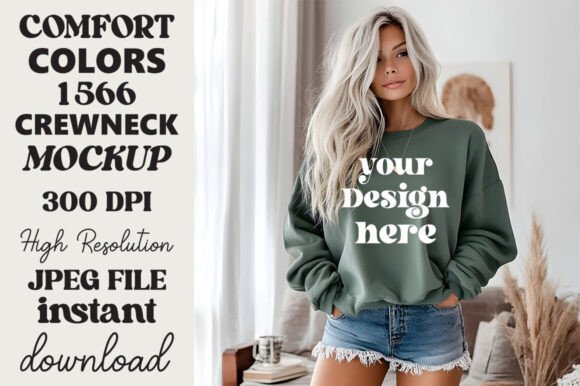
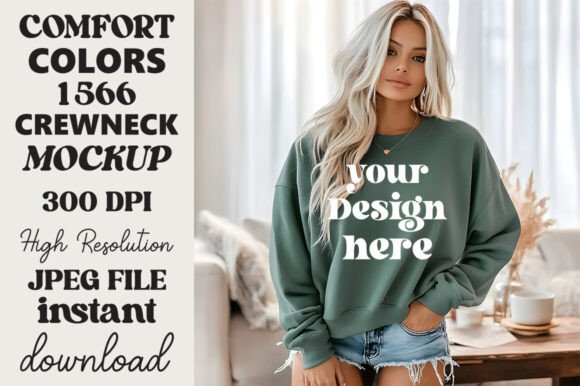
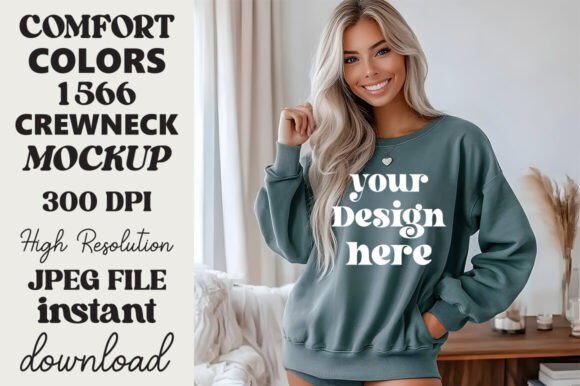
The mockup has a laid-back, flowy aesthetic that aligns perfectly with the boho crewneck sweatshirt style it’s named after. I imagined using this mockup for a custom sweatshirt order from a boutique looking to offer personalized fall wear. The way the fabric drapes in the preview gives a good sense of how embroidery will settle on the actual garment — especially around the collar and sleeves.
I appreciate the subtle texture in the mockup. It doesn’t flatten out the garment into something plastic-looking, which can happen with lower-quality templates. Instead, there's a natural softness to the fabric rendering, making it easier to visualize where to place your embroidery file for optimal visual balance. For someone like me who designs for both personal and commercial embroidery projects, this level of realism is invaluable.
Visual Personality and Mood
This mockup isn't trying too hard to be trendy or overly stylized. It has a calm, earthy vibe that complements more minimalist or nature-inspired embroidery project ideas. If you're working on a line of handmade sweatshirts with floral motifs or abstract patterns, the Flow Blue 14 version of the Comfort Colors 1566 offers a great backdrop to let those elements shine without competing visually.
The lighting in the mockup also adds to its appeal. It’s neither too harsh nor too flat, giving a warm, inviting look that makes the finished product feel approachable and wearable. This kind of mood is essential when you're designing for clients who want their custom apparel to look cozy and stylish at the same time.
Real-Life Performance: Where It Shines
After testing the Comfort Colors 1566 Mockup Flow Blue 14 with several common machine embroidery design applications, I found it performs best on mid-to-large sized garments. Here are some use cases where it really stands out:
- Custom Apparel: Especially sweatshirts and hoodies where the fit and drape matter for presentation.
- Tote Bag Design: The mockup allows for clear placement of logos or text, helping customers envision the size and positioning before production.
- Baby Embroidery: While the color is adult-leaning, it works well for toning down bold designs intended for baby items, offering a gentle, modern look.
- Holiday Embroidery: A subtle blue tone helps holiday themes pop, especially if you're using red or gold thread colors.
- Gift Packaging and Presentation: Whether you’re an Etsy seller or a small shop owner, this mockup elevates the perceived value of your handmade product.
- Digital Embroidery File Previews: It serves as a reliable base for showing how your design will look once stitched, which is key for customer trust and buyer engagement.
One thing I noticed is how well it showcases satin stitch and fill stitch elements. Because the background is light but not washed out, the contrast between thread and fabric remains strong even in softer tones. This makes it ideal for printable mockups and digital previews used in online listings or social media promotions.
Where to Use It Carefully
That said, there are certain scenarios where I’d advise caution. The Flow Blue 14 version of the Comfort Colors 1566 may not be the best choice for:
- Small Hoop Sizes: The detail in the mockup might be lost when scaling down to smaller areas like patches or caps.
- Textured Fabrics: If your client prefers organic cotton or recycled materials with visible textures, the mockup could over-polish the look and misrepresent the final result.
- Stretchy or Thin Fabric: The way the design is rendered might make stretchier materials appear stiffer than they actually are, leading to unrealistic expectations.
- Dark Fabric Backgrounds: The blue hue is light enough that it won’t work for black or dark-colored versions of the sweatshirt — consider a different mockup for those.
- Curved Surfaces: The mockup is excellent for flat surfaces, but if you’re embroidering on curved areas like hats or sleeves, you’ll need to adjust the layout manually or test it on another mockup type.
- Frequent-Wear Items: Since this is a visual tool rather than a physical product, it’s important to ensure your stitching technique and stabilizer choices are suitable for items that get washed regularly.
Design Impact and Customer Perception
When I used the Comfort Colors 1566 Mockup Flow Blue 14 for a sample sweatshirt embroidery project, the feedback from potential buyers was positive. They appreciated the clean lines and the way the design didn’t distract from the embroidery itself. This kind of response is crucial for anyone in the craft business or selling personalized gifts — it builds customer trust and increases the likelihood of purchase.
From a branding perspective, this mockup supports consistency across your design assets. If you're creating a cohesive line of products — whether for a small shop or a growing craft business — using a uniform mockup style helps create instant recognition and professionalism.
Practical Embroidery Designer Notes
Before using this mockup in any real project, here are a few things I recommend checking:
- Test on Scrap Fabric: Always try the design on a piece of the actual fabric you'll be using to see how the colors and stitches interact.
- Check Thread Color Contrast: Make sure your chosen thread colors stand out against the Flow Blue 14 shade. Soft pastels may not be visible enough.
- Review Stitch Density: Dense stitch areas might look muddied on lighter backgrounds. Adjust your design or use stabilizers accordingly.
- Confirm Hoop Size: Though no specific hoop sizes are listed, I recommend verifying what your machine requires to avoid distortion.
- Inspect Small Details: The mockup handles large graphics well, but tiny lettering or intricate corners should be tested separately.
- Use Proper Stabilizer: Even though the mockup looks smooth, always account for fabric behavior during stitching. Light stabilizer often works well for this color range.
- Test in Black and White: To ensure your design still looks good in grayscale, especially if printed digitally or viewed on monochrome screens.
- Compare Light and Dark Backgrounds: If you plan to sell multiple fabric options, compare how your design looks on this mockup versus darker versions.
- Check Machine Compatibility: While it seems compatible with most standard embroidery machines, confirm based on your own setup.
- Confirm Licensing Before Selling: If you're planning to sell finished items or digital products featuring this design, make sure you have the appropriate rights and permissions.
Enhancing Handmade Presentation and Brand Value
For hobbyists and creative entrepreneurs, the Comfort Colors 1566 Mockup Flow Blue 14 brings a touch of sophistication to your handmade product displays. It’s perfect for showcasing embroidered patch placements, logo positions on tote bags, or even nursery decor ideas. The mockup’s subtlety helps your design take center stage, which is exactly what you want when promoting a small shop product or Etsy listing.
What I also love is how it supports brand consistency. If you're building a line of custom apparel with a signature style, using this mockup repeatedly creates a familiar visual language for your audience. That familiarity builds product value and recognition, which are vital for long-term success in the digital product seller world.
Final Thoughts on Project Readiness
In short, the Comfort Colors 1566 Mockup Flow Blue 14 is a solid choice for most embroidery project needs — especially when aesthetics and customer perception matter. It’s practical, professional, and flexible enough to adapt to various styles while maintaining a high level of quality in your finished product visuals.
However, don’t rely solely on the mockup for every scenario. Always test your embroidery file in real conditions and use it as part of a broader strategy to present your designs accurately. With the right preparation and attention to detail, this mockup can become a trusted asset in your creative toolkit — whether you're crafting one-of-a-kind gifts or managing a full-fledged commercial embroidery operation.