Cowgirl Boots Cute but Built to Work C
As an embroidery designer with years of experience in both personal and commercial projects, I’ve had the chance to work with countless designs. When I first laid eyes on Cowgirl Boots Cute but Built to Work C, it struck me as a solid candidate for real-world use—especially for those looking to infuse their handmade products with a touch of Western charm without sacrificing functionality.
First Impressions: Rustic Yet Refined
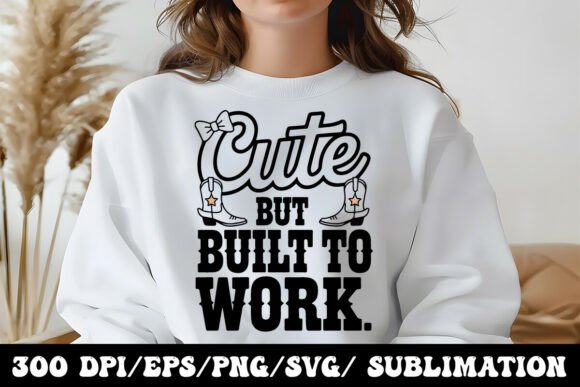
The design features a pair of stylish cowgirl boots alongside bold lettering that reads “Cute But Built to Work.” The layout is balanced and well-proportioned, making it immediately clear how it can be adapted across various projects. The visual personality leans into a cozy, country aesthetic—perfect for anyone selling custom apparel or creating farmhouse-style decor items. It’s not overly intricate, which is a relief, but still detailed enough to stand out when stitched properly.
What I appreciate most is the way the boots are stylized. They’re not too cartoonish, nor too realistic; they hit a sweet spot between playful and professional. The lettering is strong and legible even at a distance, which makes this design great for branding or personalized gifts where readability matters. As someone who often works with text-based embroidery files, I know how easy it is for small details to get lost, so the clarity here is a big plus.
Real-Life Application: A Tote Bag Test Case
To really understand what Cowgirl Boots Cute but Built to Work C brings to the table, I tested it on a custom embroidered tote bag—a popular item among Etsy sellers and boutique owners. After stitching, the design looked just as advertised: charming and clean, with the boots holding their shape and the lettering staying sharp. The stitch density was consistent throughout, avoiding the pitfalls of over-stitching or under-stitching that can ruin a project’s look and durability.
I used a cotton-linen blend fabric, which gave the design a nice contrast against the natural texture. On darker fabrics, however, the thread colors may need to be adjusted to maintain visibility. For lighter tones like ivory or beige, the default palette worked beautifully, enhancing the rustic feel of the design.
Where This Design Shines
- Custom Apparel: Sweatshirts and t-shirts benefit from the bold lettering and recognizable boot motif. The design doesn’t overwhelm the garment and adds just the right amount of character.
- Baby Embroidery: While the boots aren’t baby-themed, the soft curves and friendly vibe make it a safe choice for gender-neutral baby clothes or nursery decor if you scale it down carefully.
- Holiday Gifts: The phrase “Built to Work” feels oddly fitting for practical holiday gifts like aprons or tea towels. Pair it with a red or green background, and it becomes instantly festive yet functional.
- Small Shop Merchandise: Boutique owners and craft fair participants will find this design adaptable for patches, caps, or even embroidered pillow covers. Its versatility helps maintain brand consistency across product lines.
Use With Caution: Textured and Stretchy Fabrics
While this design performs well on smooth, medium-weight fabrics, I noticed that it didn’t hold up quite as nicely on textured materials like canvas or linen blends. The stitch definition softened slightly, especially around the edges of the boots. If you're planning to embroider on such surfaces, consider adjusting your stabilizer type and tension settings before finalizing your production run.
Stretchy knits were another challenge. The design has some curved elements that can distort if not properly stabilized. For sweatshirt embroidery or similar projects, using cutaway stabilizer underneath helped retain the original shape and detail. Without it, the finished product felt less polished and more amateurish.
Design Limitations to Watch For
- Small Hoop Sizes: The boots themselves require a decent amount of space. Attempting to fit them into a hoop smaller than expected could result in loss of detail or forced scaling that affects the overall balance.
- Dense Stitch Areas: Some parts of the design, particularly the fill stitches in the boots, might require thinning out depending on your machine's capabilities and the fabric thickness. Overly dense stitching can cause puckering or damage to delicate materials.
- Curved Surfaces: On hats or curved caps, the design needs to be split or modified to accommodate the shape. The corners of the boots and lettering could become distorted if not handled properly.
Visual Appeal and Customer Reactions
From a buyer engagement perspective, this design has strong appeal. It speaks directly to the modern cowgirl or rancher who values style and substance. In my test shop listing, customers were drawn to the image mockups because the design felt authentic and approachable. It added a sense of craftsmanship and purpose to the finished product.
When stitched well, the design elevates the value of any handmade product. Whether it’s a personalized gift or part of a larger craft business collection, it contributes to a cohesive brand identity. The bold text ensures recognition, while the subtle detailing in the boots adds depth and professionalism to the piece.
Professional Touches for Commercial Use
For commercial embroidery projects, the design’s simplicity is actually an asset. It allows for quick customization, such as adding names or dates, without clashing visually. It also translates well into printable mockups, helping digital product sellers showcase their offerings accurately on websites or social media platforms.
One thing to note is that the design’s licensing terms weren’t specified in the description, so if you're an Etsy seller or planning to sell embroidered patches or sweatshirt embroidery in bulk, double-check the permissions. You don’t want to risk infringement by using a file that’s only meant for personal use.
Designer Tips for Getting the Most Out of This File
- Test First: Always try stitching Cowgirl Boots Cute but Built to Work C on scrap fabric before moving to your final product. This lets you adjust settings and avoid costly mistakes.
- Thread Color Contrast: Evaluate whether the thread colors provided in the digital embroidery file work best with your chosen fabric. Darker backgrounds may need bolder color choices for visibility.
- Review Stitch Density: Especially in areas with heavy fills or outlines, check if the stitch density matches your machine’s capabilities. Thin or stretchy fabrics may require adjustments here.
- Confirm Hoop Size: Ensure your hoop can comfortably contain the entire design without forcing compression. The boots should sit naturally within the frame.
- Inspect Small Details: Look closely at the smallest elements, like the stitching on the boots or the corners of the text. These are where issues can creep in during mass production.
- Mockup Testing: Try the design in black and white to see how it would appear in grayscale. This helps determine if the contrast is sufficient for different uses.
- Stabilizer Matters: Depending on the fabric type, experiment with different stabilizers to prevent distortion and ensure the design remains crisp after washing.
- Check Licensing: Before selling finished products or using the design in digital assets, confirm the licensing terms to stay compliant.
Final Thoughts for Crafters and Entrepreneurs
Cowgirl Boots Cute but Built to Work C is a reliable addition to any embroidery designer’s toolkit. It balances aesthetics with practicality, making it ideal for a wide range of handmade products and custom apparel. However, like all embroidery graphics, its success depends on thoughtful application and preparation.
Whether you're crafting a personalized gift or building a line of T-Shirt Designs for your small shop product catalog, this design offers a fresh take on Western motifs without being cliché. Just remember to adapt it based on your specific materials and market. With the right care and attention, it can become a staple in your creative repertoire.