Joshua Trees in Mojave Desert CA WPA Art Review
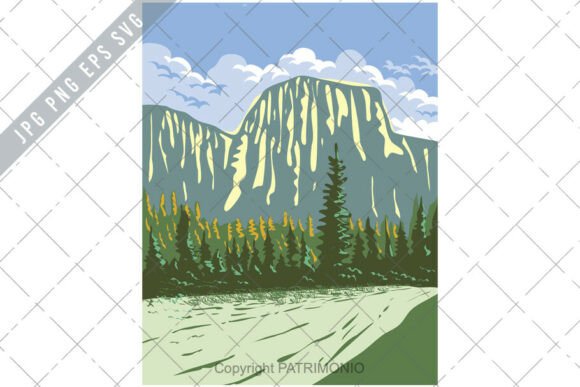
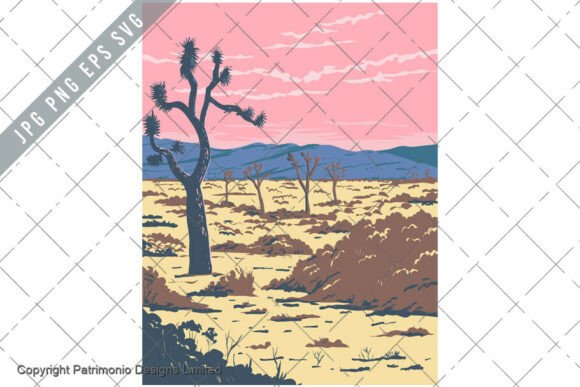
As an experienced embroidery designer and product reviewer, I always approach a new design with the mindset of how it will perform in real-world applications. Joshua Trees in Mojave Desert CA WPA Art caught my eye for its nostalgic aesthetic and unique subject matter. The stylized rendering of the desert flora in the classic WPA or Federal Art Project poster style brings a vintage charm that can elevate both personal and commercial embroidery projects.
Aesthetic First Impressions
The first thing I noticed about this design is the mood it evokes. It’s not just a pretty image — it tells a story. The Joshua trees are depicted with bold lines, flat color areas, and a sense of simplicity that feels reminiscent of mid-century public art. This makes the design feel intentional and timeless. Its layout is balanced, with negative space used effectively to allow for clear visual focus on the central motif. The detail level is moderate but expressive enough to capture the essence of the desert landscape without overwhelming the viewer.
I immediately thought of how this could work well as a sweatshirt embroidery or even on a tote bag. The theme aligns perfectly with nature lovers, travel enthusiasts, and those who appreciate local culture. As a graphics-based illustration, it also has strong potential as a printable mockup or digital asset for branding purposes, especially for businesses rooted in sustainability or outdoor lifestyles.
Real-Life Embroidery Use Cases
When considering where to place this design, I see several strong options. For custom apparel like sweatshirts or t-shirts, the stylized look works particularly well when using satin stitch around the main tree outlines and fill stitch for the background elements. The retro vibe pairs nicely with unisex clothing lines and would make a compelling addition to an Etsy seller’s collection of seasonal or regional designs.
Tote bags are another natural fit. The design’s scale allows it to be large enough to serve as a focal point while maintaining clarity in its details. If you’re targeting eco-conscious buyers or those looking for personalized gifts, this artwork could become a signature element in your handmade product lineup.
For handmade shop owners, the design might also find a home on aprons, pillow covers, or kitchen towels. The subtle use of texture and line in the original artwork translates well into embroidery, especially if you emphasize contrast through thread choice. A holiday gift like an embroidered baby blanket or nursery wall hanging could benefit from the softness of the imagery paired with warm, earthy tones.
Even in commercial embroidery settings, such as boutique branding or small shop merchandise, the design offers a touch of personality without being too niche. It bridges the gap between artistic expression and marketability, making it suitable for both high-end and accessible products.
Design Limitations to Consider
While this design has many strengths, there are some limitations to keep in mind before finalizing your project. The intricate linework and layered elements may not render well in smaller hoop sizes. If you're planning to create an embroidered patch or embroider onto a cap, consider simplifying the file or reducing the complexity of certain sections.
Fabric texture plays a big role here. On smooth cotton or quilting fabric, the design shines, but on textured materials like canvas or linen, some details might get lost. Thin or stretchy fabrics could cause distortion in the more delicate parts of the trees, so proper stabilizer is essential. Dark backgrounds may also mute the colors, which means you’ll want to test thread color contrast carefully to ensure visibility.
Products that require frequent washing, like baby clothes or reusable grocery bags, should be approached with caution. Dense stitch areas might lead to puckering over time unless you reinforce them properly. Always inspect small details and corners during testing, especially if the design includes tiny lettering or decorative accents.
Visual Appeal and Stitching Clarity
The visual appeal of Joshua Trees in Mojave Desert CA WPA Art lies in its clean silhouette and minimalistic color palette. These qualities help maintain stitching clarity across various substrates. The use of solid shapes rather than shading gives it a crisp appearance that doesn’t rely heavily on fabric type or lighting conditions.
However, achieving that crisp look requires attention to stitch density. Too sparse and the design loses definition; too dense and it becomes stiff and less breathable. Finding the right balance is key, especially for items like sweatshirts or tea towels where comfort and drape are important.
If you're using it for handmade presentation, the design adds a layer of sophistication that communicates professionalism. It's versatile enough to match modern interiors yet grounded in historical design styles that evoke authenticity. That dual quality makes it appealing for a wide range of design assets and finished products.
Customer Reaction and Market Fit
From a business perspective, this design can significantly enhance product value and customer trust. Buyers recognize quality when they see it — and a well-executed vintage-style design signals that your products are thoughtfully made. For Etsy sellers, it could serve as a standout feature in listings, increasing buyer engagement and perceived uniqueness.
Giftability is another strong suit. Whether it’s a personalized gift for someone who loves California’s natural beauty or part of a curated set of nursery decor, the design feels special without being over-the-top. It’s also ideal for holiday gifts or wedding gifts that carry a regional or nature-inspired message.
Designer Notes for Practical Application
- Test on scrap fabric first: Especially if you're working with something other than cotton, seeing how the stitches lay down is crucial.
- Check thread color contrast: Ensure the colors pop against your chosen fabric, particularly if it’s darker or patterned.
- Review stitch density: Adjust fill stitches to prevent puckering and preserve the fabric’s integrity.
- Confirm hoop size: Some of the finer details might need a larger hoop for accuracy and stability.
- Inspect small details: Look closely at the tree trunks and branches to ensure they translate well into embroidery form.
- Use proper stabilizer: Especially on stretchy or thin fabrics, backing stabilizer can make all the difference in stitch definition.
- Test in black and white mockups: This helps assess how the design holds up in grayscale or monochrome variations.
- Compare light and dark fabric backgrounds: You might be surprised by how much the same design can change visually depending on the base fabric.
- Check whether the design works for both personal and commercial projects: Some graphics have restrictions that limit their resale or reproduction rights.
- Confirm licensing before selling finished items or digital products: Always double-check usage terms, especially if you plan to offer this as part of your design catalog or resell the digital embroidery file.
Final Thoughts on Brand Consistency and Professionalism
One of the most valuable aspects of using Joshua Trees in Mojave Desert CA WPA Art is how it supports brand consistency. If your creative business focuses on nature, heritage, or vintage aesthetics, this design seamlessly integrates into your existing offerings. Its professional look elevates the overall presentation of your craft business and can increase recognition among repeat customers.
As a machine embroidery design, it strikes a nice balance between artistic flair and practicality. While it won't work equally well on every item or fabric, with thoughtful application and preparation, it can become a go-to embroidery project that stands out in both custom apparel and small shop product lines. Just remember to adapt based on your materials and intended use — the best embroidery results come from understanding both the design and the medium it's applied to.
In summary, Joshua Trees in Mojave Desert CA WPA Art is a versatile and stylish illustration that deserves a place in your design toolkit. With the right care and consideration, it can transform everyday items into meaningful, collectible pieces — perfect for any creative entrepreneur looking to add character to their handmade or commercial embroidery projects.