Vibrant American Southwest Pattern: A Designer’s Honest Review
As an embroidery designer with years of hands-on experience, I always approach a new pattern with curiosity and caution. The Vibrant American Southwest Pattern caught my attention not just for its eye-catching title but for the promise it held in blending cultural motifs with modern design utility. In this review, I’ll walk you through how I evaluated this pattern from a real project standpoint—what worked well, what needs careful handling, and where it shines as part of your creative toolkit.
First Impressions and Visual Personality
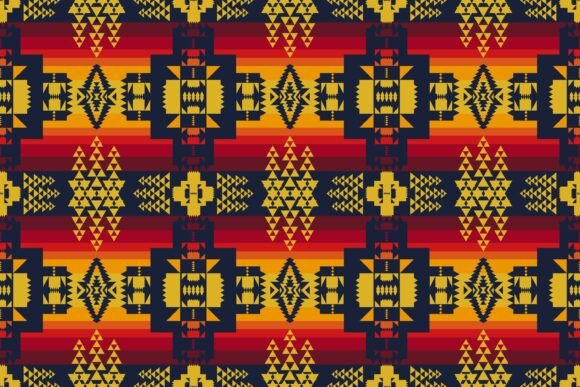
The moment I opened the digital embroidery file, I was struck by the bold geometry and rich color palette of the Vibrant American Southwest Pattern. It features a seamless layout of stylized Aztec-inspired shapes, tribal lines, and Navajo-style elements that flow together without disrupting the visual rhythm. The theme is clearly rooted in Southwestern aesthetics, with a modern twist that makes it feel fresh rather than dated.
This pattern evokes a sense of warmth and tradition, which can be especially appealing for holiday gifts or home decor items. Its strong visual personality works best on projects where you want to make a statement—think tote bags, sweatshirts, or decorative pillow covers. However, if you're aiming for something subtle or minimalist, this might be too intense.
Real-World Application: Tote Bag Design
To test the Vibrant American Southwest Pattern, I decided to apply it to a custom embroidered tote bag. This is a common request among Etsy sellers and small shop owners, so it's a great practical use case.
I used cotton canvas fabric and a mid-sized hoop. The pattern filled the space beautifully, with the geometric repeats complementing the natural texture of the material. When stitched, the satin stitch outlines gave the design a polished look, while the fill stitch areas added depth and vibrancy. The final product felt like a true handmade item with a professional finish—exactly what boutique branding and gift-oriented shops are looking for.
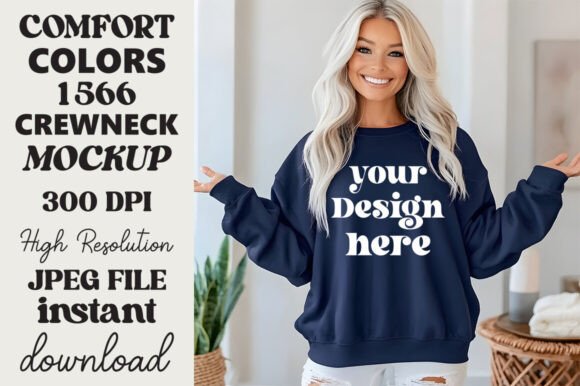
One thing I noticed immediately was how well the pattern translated into a printable mockup. As a digital product seller, this is crucial because customers often judge the value based on what they see online. The colors remained vibrant even when printed at a lower resolution, making it ideal for showing off in craft fair products or holiday embroidery listings.
Where It Fits Best
- Home Decor Elements: Pillow covers, kitchen towels, and wall art benefit from the pattern’s intricate details and warm tones.
- Apparel Embroidery: Sweatshirts, caps, and casual wear can showcase the design’s versatility, especially when using a large hoop area.
- Baby Items: While the pattern isn’t pastel-friendly, it could work well as an accent on a solid-colored onesie or baby blanket.
- Commercial Projects: The design has enough complexity to justify higher pricing for small shop products or handmade product collections aimed at niche markets.
When to Proceed with Caution
Not every project is a perfect match for this pattern. Here are some scenarios where I recommend testing first:
- Small Hoop Sizes: The intricate details may become lost or distorted if the hoop size is too tight. Always check the minimum recommended size before stitching.
- Stretchy or Thin Fabrics: On materials like jersey knit or lightweight linen, the stitch density could cause puckering or stretching unless properly supported with stabilizer.
- Dark Backgrounds: Some thread colors lose their impact against darker fabrics. I suggest creating a black-and-white mockup to evaluate contrast before finalizing the project.
- Curved Surfaces: When applying the pattern to caps or curved patches, the alignment of repeating elements can become tricky. You may need to adjust the design manually or choose a section of the pattern instead of the full repeat.
Designer Notes: Key Tips Before Using Vibrant American Southwest Pattern
- Test on Scrap Fabric First: Especially if you’re planning to sell the finished product, take time to assess how the design interacts with different textures and weights.
- Review Stitch Density: Dense areas can lead to stiffness or distortion. Use a cutaway stabilizer for stretchy fabrics and consider adjusting stitch spacing for delicate materials.
- Confirm Licensing Terms: If you plan to resell the design or include it in a commercial kit, ensure you have the appropriate license. This is critical for craft business owners and Etsy sellers.
- Inspect Small Details: Look closely at corners and edges. Some patterns lose clarity when scaled down, but Vibrant American Southwest Pattern holds up surprisingly well when handled carefully.
- Experiment with Thread Colors: The original design uses bright hues, but don’t hesitate to customize the thread colors to better suit your brand or client preferences.
Customer Reaction and Brand Consistency
In my experience, customers respond positively to designs that tell a story. The Vibrant American Southwest Pattern does exactly that—it brings a touch of the desert, Native American artistry, and a festive energy to any project. For personalized gifts or custom apparel, this kind of narrative appeal can increase buyer engagement and perceived value.
However, it’s important to maintain brand consistency. If your handmade shop leans toward modern minimalism, this pattern might clash with your overall aesthetic. But if you specialize in bohemian or Western-themed items, it fits right in and enhances the recognition of your line.
Visual Appeal vs. Stitching Clarity
What stands out visually doesn’t always translate perfectly to the needle. The Vibrant American Southwest Pattern has a lot going on, which is both a strength and a challenge. The fine lines and overlapping shapes create a lively effect, but they also require precision in stitching. Any misalignment in the embroidery file can throw off the whole composition.
For embroidered patch applications or sweatshirt embroidery, I found that simplifying parts of the pattern improved the final result. Removing or reducing the background elements allowed the main motif to pop more clearly, especially on lighter fabrics.
Impact on Product Value and Giftability
Using this pattern elevates the perceived value of a product. Whether it's a custom sweatshirt for a boutique customer or a set of personalized gifts for a holiday sale, the Southwestern flair adds a unique charm that sets it apart from generic designs.
Customers tend to trust and appreciate hand-stitched or high-quality machine embroidery. The Vibrant American Southwest Pattern gives your finished product a distinct identity, which can boost customer satisfaction and encourage repeat sales. Just be sure the stitching remains clean and precise—any errors will detract from the professionalism and quality your audience expects.
Final Thoughts for Creative Entrepreneurs
If you're considering adding Vibrant American Southwest Pattern to your design assets or digital paper collection, know that it’s a versatile option for those who understand how to balance detail with function. It’s not a one-size-fits-all solution, but with the right preparation and adjustments, it can become a standout piece in your portfolio.
Remember, the success of any embroidery project hinges on thoughtful application. Take time to evaluate how the design behaves on your preferred materials, confirm licensing for resale, and always prioritize quality over speed. With these steps, you’ll be able to confidently offer commercial embroidery that speaks to your audience and aligns with your brand vision.